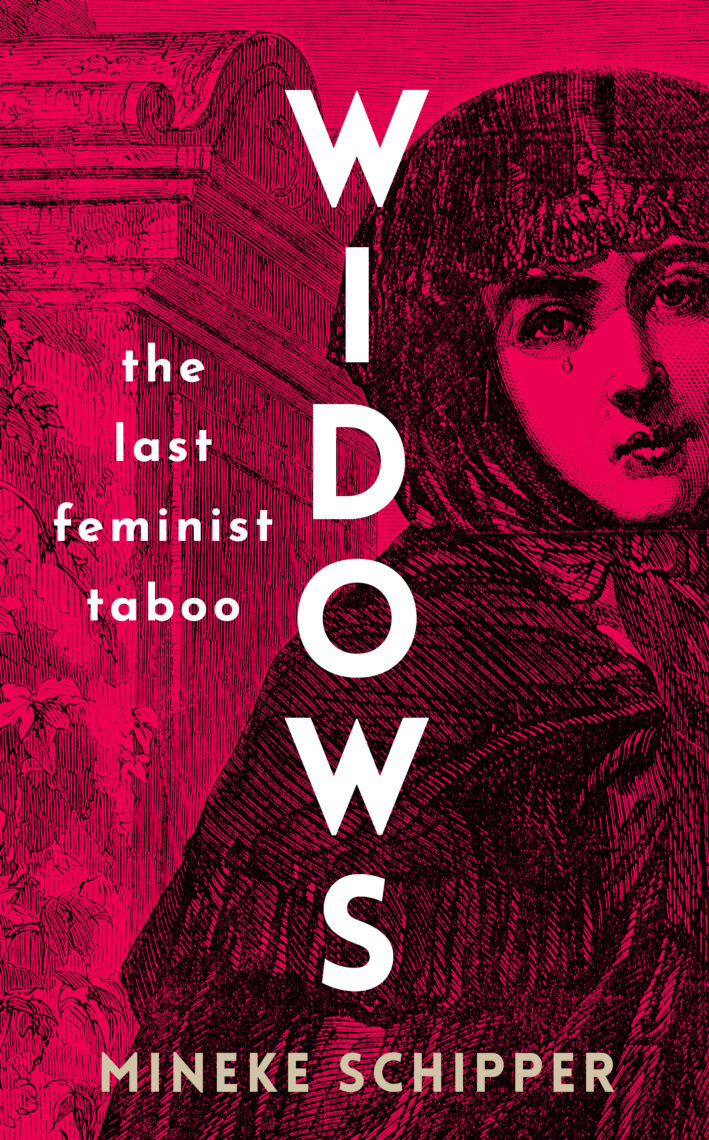
Widows
The Last Feminist Taboo
Price range: £10.99 through £16.99
- ISBN
- Select an edition
- Pages
- 288
- Published
- June 2026
- Illustrations
- 80 b&w illustrations
About the Book
In Japanese, the literal translation of a widow – that is, a woman who has outlived her husband — is ‘she who has not died yet.’
For millennia, widows have occupied the margins of society: banished to the wilderness, silenced and shrouded in black or white. Across cultures, laws and customs have maligned them as witches, dependants or objects of pity.
In some traditions, widows are expected to remarry within the husband’s family or, in extreme cases, commit self-immolation – expectations never placed on men. Yet widowhood has also produced unexpected freedoms, among them financial and sexual autonomy – rights denied to married women.
Drawing on sources from ancient Egypt and Greece to Africa, the Americas and beyond, eminent cultural historian Mineke Schipper reveals a global legacy of shame, resilience and defiance. Rich in striking detail, Widows uncovers the last feminist taboo – one that the world would prefer not to talk about.
About the Author
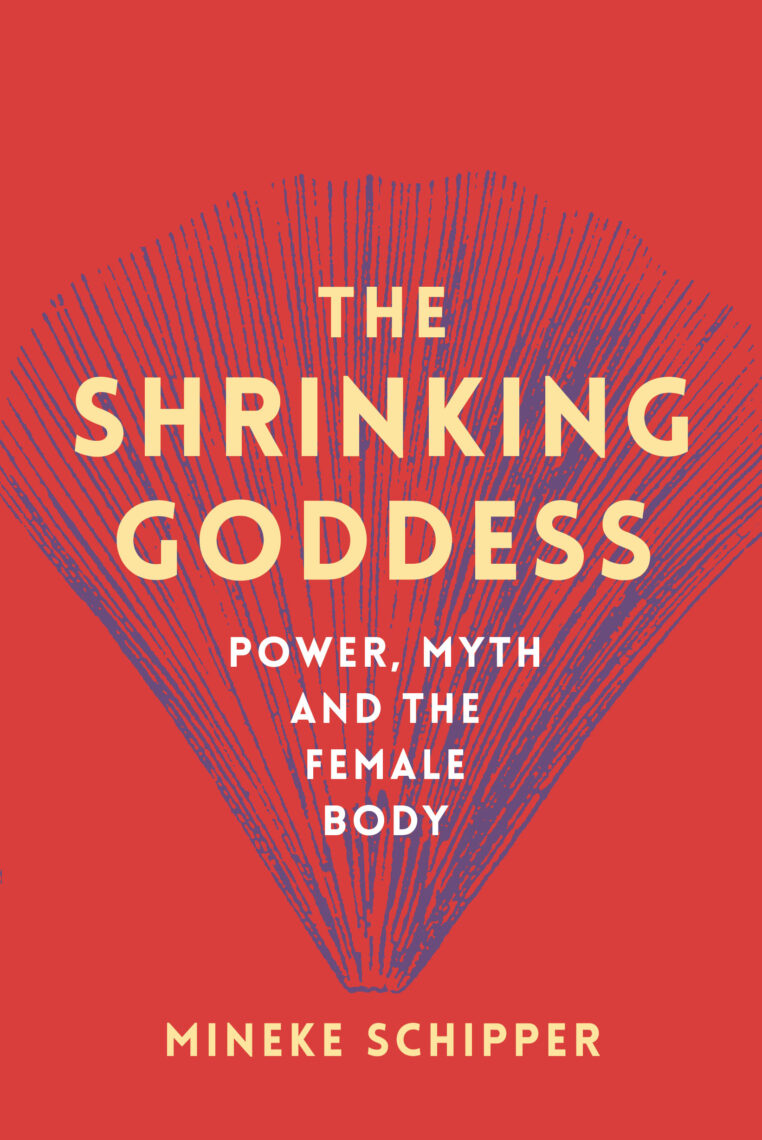
Mineke Schipper is a cultural historian and writer. She is the author of seven critically acclaimed works including Never Marry a Woman with Big Feet: Women in Proverbs from Around the World and The Shrinking Goddess: Power, Myth and the Female Body. Her writing has appeared in The Times, El Mundo and the Los Angeles Times, among others. She served as International Secretary of Dutch PEN and Chair of Index on Censorship Nederland, and is currently Emeritus Professor of Intercultural Literary Studies at the University of Leiden, with visiting professorships in Nigeria, Kenya, Zimbabwe, Burkina Faso and China. Schipper has received a Royal Order of Knighthood for her contribution to social and cultural studies.
Reviews
‘No aspect of widowhood escapes Schipper’s eye … One of the author’s objectives is to understand ‘not just how cultures shame widows, but why.’ The Literary Review
‘Shocking, deeply intimate and entirely necessary. A vital read to understand how patriarchy persists today and what we need to do to dismantle it.’ Anna Malaika Tubbs, author of Erased: What American Patriarchy Has Hidden From Us
‘Mineke Schipper has uncovered one of history’s most overlooked subjects. A deeply important contribution to our understanding of societies across the world. Eye-opening and empowering.’ Minna Salami, author of Can Feminism Be African?: A Most Paradoxical Question
‘Shines a much-needed spotlight on widowhood and marriage, offering intriguing insights into women’s lives and histories. A brilliant book, rich with research.’ Milli Hill, author of The Body Myth: Reclaiming The Powerful Truth About Being Female